Staying grounded at work: 7 ways to manage stress in the AI era.

Work-related stress is a tale as old as time. Although some stress can be helpful for building motivation and problem-solving skills, prolonged stress can be harmful to mental and physical health. (1)
Work stress is reaching new heights.
Now, with the rise of artificial intelligence (AI) and anxiety around job security in an AI world, along with demands for higher productivity, and economic uncertainty that makes job performance feel even more critical, American workers are enduring peak levels of stress.
In fact, about 70% of adults report that their job is a significant source of stress in their lives, the highest reported work-related stress since the COVID-19 pandemic. (2)
The impact of stress goes beyond the workplace.
Whether driven by workload, uncertainty, or evolving technology, workplace stress can lead to health complications that don't just impact your work life.
Stress affects your body’s autonomic nervous system, controlling heart rate, breathing, vision, and more. (3) When stress builds, your body responds quickly. You may experience:
- Aches, pain, and muscle tension.
- Headaches, dizziness, or shaking.
- Stomach or digestive problems.
- Exhaustion or trouble sleeping.
- Stress rashes like hives.
Stress can also impact your behaviors and mental health, causing symptoms that can create long-term challenges, such as:
- Mental health conditions like anxiety, depression, and panic attacks.
- Compulsive behaviors like shopping, smoking, or internet browsing.
- Disorders like gambling disorder, eating disorders, or substance use disorders.
Chronic stress adds even more strain, but there are solutions to help.
Your body is built to endure stress, but long-term stress, like that of work-related stress, can cause challenges.
Chronic stress is linked to weakened immune, digestive, cardiovascular, and reproductive systems. These are crucial systems for healthy body functioning, which means weakening them can leave you at risk for serious diseases like arthritis, ulcers, high blood pressure, polycystic ovarian syndrome, and more. (3)
Research also shows that ongoing work stress is directly linked to poorer cardiovascular health, even in otherwise healthy individuals. (5) The good news is that all stress, including work-related stress, can be managed to prevent health complications.
Many employer benefits plans include support for mental well-being and stress management, and Rightway can help connect you with mental health experts. There are also many self-management strategies you can try when you start to feel overwhelmed.
7 ways to take control of work stress.
1. Actively relax each muscle.
If you’re feeling stressed, you’re likely tensing your muscles, even if you don’t realize it. Focusing on subtle movements to relax each muscle, or progressive muscle relaxation, sends signals to your body to release the built-up stress and tension. (6)
You can do this by breathing in, tightening each muscle for 20 seconds, then slowly breathing out and relaxing. Start with your head by focusing on tightening and releasing your forehead, eyes, nose, and jaw, before moving down to your neck, shoulders, stomach, and all the way down to your feet. (7)
2. Try breathing techniques.
Your body’s stress response is a cycle, and breathing techniques can interrupt that cycle, release tension, and slow your heart rate to help your brain relax. (8)
There are many breathing exercises you can do from anywhere, anytime you’re feeling stressed. Repeat each technique as many times as you need to feel yourself start to relax:
- Extend the exhale: Breathe in normally and exhale very slowly.
- The physiological sigh: Take a long, deep breath in, and then take a second, quicker breath in before exhaling through your mouth.
- Box breathing: Imagine making your breathing into a perfect square, taking four seconds to breathe in, holding the breath for four, breathing out for four, and finally holding the exhale for four. (8)
3. Organize your day.
Stress is a common response when you feel you don’t have control over situations or enough time to get the work done. Taking time to plan your day can help you regain control and set realistic goals. (9) If you’re overwhelmed with your tasks, try organizing them by priority and urgency, and breaking down larger tasks into smaller, more manageable steps.
4. Be open with your colleagues and manager.
When employees feel supported by their workplace, they’re less likely to experience work stress. (10) But supervisors and colleagues can only support you effectively when they know what you need.
If you’re experiencing burnout or facing other workplace stressors, talk about it with others and express what you need to feel better. Studies have shown that when managers actively listen to these conversations, it can significantly reduce the team's overall stress. (11)
5. Take effective breaks.
“Micro-breaks”, or pauses from your tasks for less than 10 minutes, help give you energy and prevent mental strain like stress. (12) But the perfect break depends on the person and what helps you relax the most. If you recharge by socializing, taking time throughout the day to chat with colleagues, friends, or family over the phone can boost your mood and help regulate stress. Taking time for movement, like a quick walk or run, or spending time outside, are also effective ways to use your break to reduce stress. (13)
6. Reflect on one of your best success stories.
It’s easy to forget your successes in stressful times, but reminding yourself of your wins has a significant impact on your overall well-being and stress levels. Whether it’s receiving positive feedback from a supervisor, finishing a challenging project, or making a contribution to your team, reflecting on positive experiences has been shown to improve mood and decrease cortisol and stress levels. (14)
7. Prepare yourself for an AI future.
AI doesn’t have to be scary. You can prepare for potential shifts in the workforce by using AI to learn. Familiarize yourself with AI tools that could benefit you and your team, and learn new skills that can help you down the line.
AI can also only take us so far without a human hand. Focusing on tasks where humans have the advantage, like critical thinking, creativity, and ethical judgments, can help set you apart in a world of AI.
Taking steps to manage work stress can help prevent it from negatively affecting your well-being. If you’ve tried these strategies and still feel overwhelmed by stress, consider reaching out to a mental health professional for support.
Rightway is here to help you every step of your health journey, including your mental health.
Download the Rightway app and connect with a healthcare expert today if you have any questions or need support.
Sources:
- Centers for Disease Control. (2025). Managing stress.
- American Psychological Association. (2025). Stress in America 2025.
- Cleveland Clinic. (2024). Stress.
- Columbia Doctors. (2026). Chronic stress can hurt your overall health.
- Ogunmoroti, O., et al. (2024). Work-related stress is associated with unfavorable cardiovascular health: The multi-ethnic study of atherosclerosis. Journal of the American Heart Association.
- Toussaint, L., et al. (2021). Effectiveness of progressive muscle relaxation, deep breathing, and guided imagery in promoting psychological and physiological states of relaxation. Evidence-based Complementary and Alternative Medicine.
- Harvard Health. (2020). Exercising to relax.
- American Lung Association. (2025). Simple breathing exercises to help you manage stress.
- Cognitive Behavior Institute. (2024). How to manage stress in the workplace.
- American Psychological Association. (2026). Workers are facing an age of uncertainty.
- Kriz, T. D., Jolly, P. M., & Shoss, M. K. (2021). Coping with organizational layoffs: Managers’ increased active listening reduces job insecurity via perceived situational control. Journal of Occupational Health Psychology
- Albulescu, P, et al, (2022). "Give me a break!" A systematic review and meta-analysis on the efficacy of micro-breaks for increasing well-being and performance. Public Library of Science.
- American Psychological Association. (2019). Give me a break.
- Speer, M. and Delgado, M. (2019). Reminiscing about positive memories buffers acute stress response. Nature Human Behavior.

The member experience with Rightway care navigation.
Read more The member experience with Rightway care navigation.
Disputing a medical bill with Rightway care navigation.
Read more Disputing a medical bill with Rightway care navigation.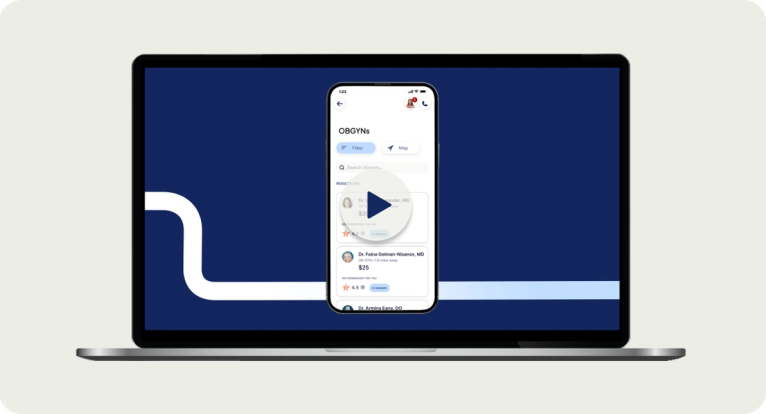
Finding a doctor with Rightway care navigation.
Read more Finding a doctor with Rightway care navigation.
Health guide support with Rightway care navigation.
Read more Health guide support with Rightway care navigation.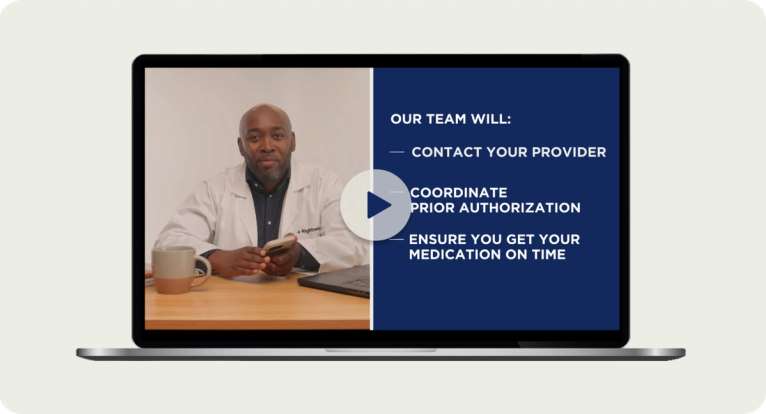
Accessing specialty medications with Rightway PBM.
Read more Accessing specialty medications with Rightway PBM.