Your guide to understanding food recalls.

From lettuce to jalapeños, it may feel like there’s a new food recall every day. In a supply chain as large as the United States', recalls are bound to happen. In fact, in 2025, there were 320 total food recalls throughout the year—almost one a day. (1)
It’s impossible to predict what might be recalled or when recalls will happen, but staying aware, knowing how to respond, and practicing basic food safety can help reduce your risk of getting sick.
What does it mean to be recalled?
In the U.S., food, beverages, supplements, and more are regulated by the FDA or USDA to ensure they're safe for the public.
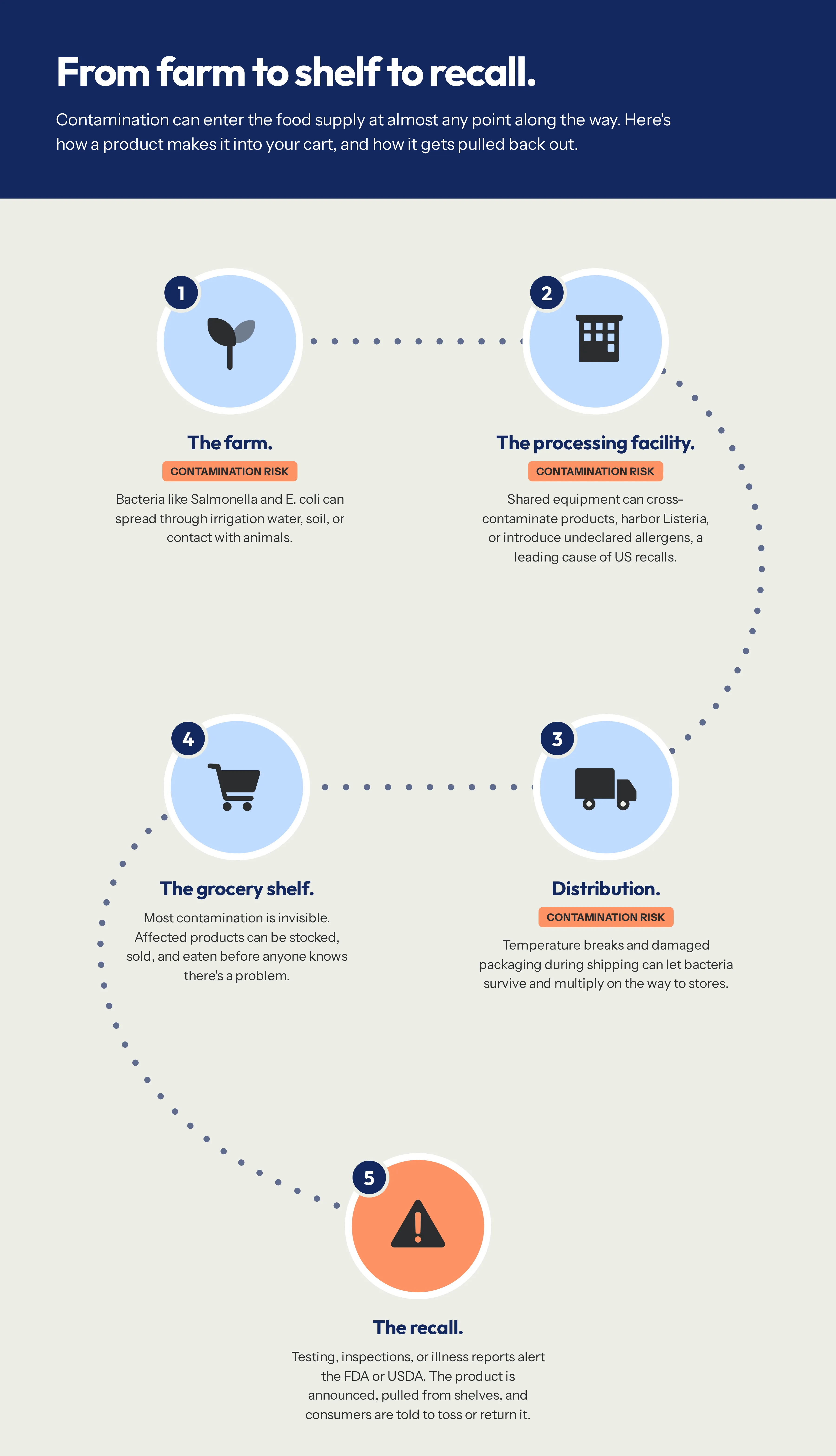
But sometimes something happens in the supply chain that causes a product to no longer meet their standards, and we don’t know until it's already hit the shelves. When that happens, it gets recalled. (2)
There are many reasons why a product can be recalled: it could have been mislabeled, an allergen warning could be missing, or it could have been contaminated somewhere in the supply chain with a substance like a chemical, plastic, or a pathogen that makes people sick. (3)
Will all recalled products make you sick?
Though it’s important to pay attention to all recalls, not all recalls mean that a product could make you sick. The FDA and USDA rank recalls in three categories, based on how harmful the recalled product may be. Here’s a simple breakdown:
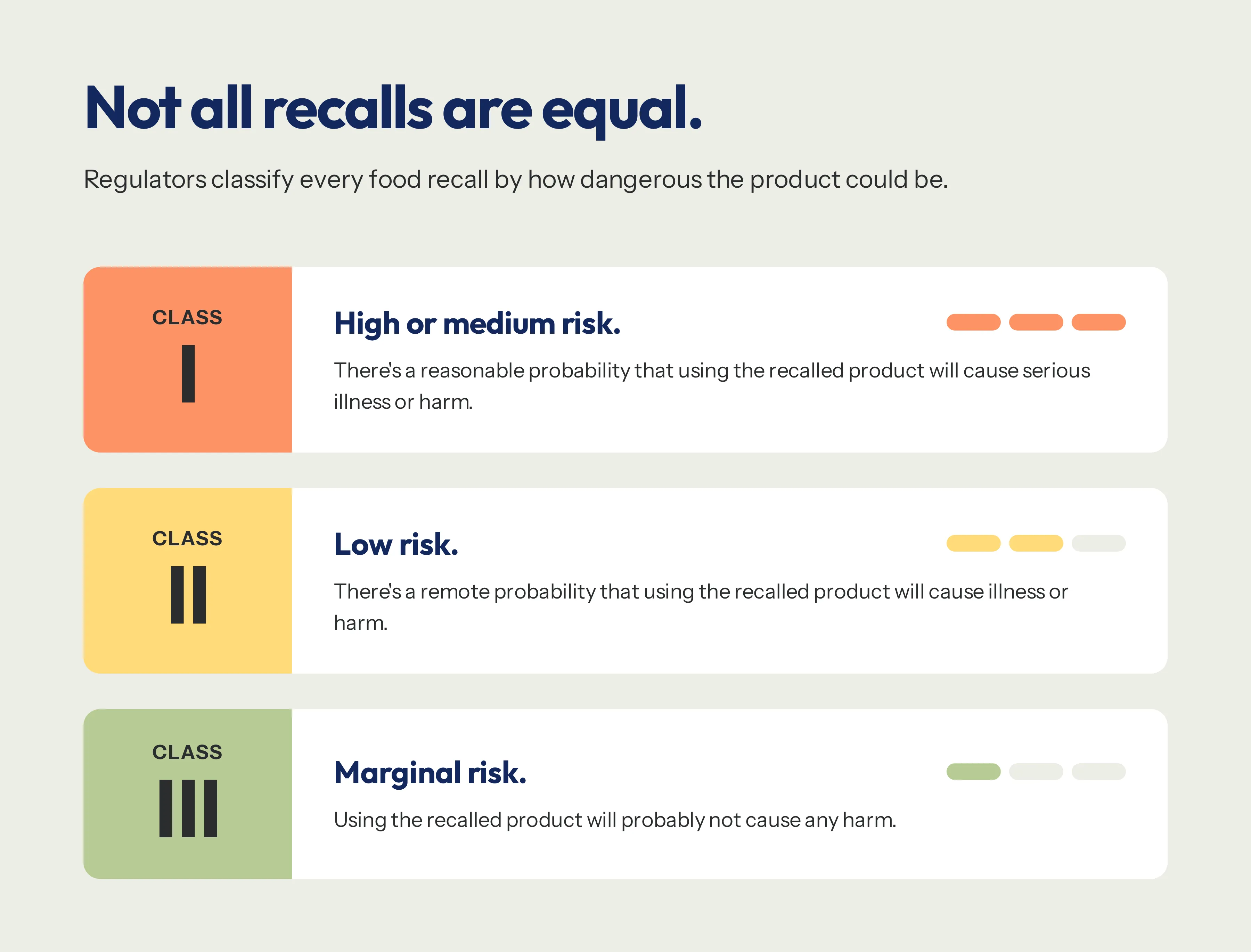
You should take all recalls seriously, especially if you have allergies, are immunocompromised, or have other underlying health conditions; however, class 3 recalls are generally safe to continue using. Check the public notice to find out which class the recall is categorized under. (3)
Where can you find out about recalls?
Staying up to date with recalls is the best way to keep yourself and your family safe. You can find information about new recalls through:
- The FDA’s Enforcement Report: You can search for recent recalls or subscribe to receive recall alerts by email. (4)
- USDA’s Recalls and Public Health Alerts: This is the database for all USDA-regulated recalls. Here, you can find a list of all recalls with details about the risk, status, and locations. (5)
- Local government agencies: Sometimes recalls only impact certain states. You can check your local government websites to see if your city or state shares recall notices.
- The recalling company or retail store: When a product is recalled, the company issues a notice directly to its consumers. Any grocery or retail store that sells the recalled product typically also issues its own notice. These notices include all the details you need to identify which products may be affected. (2)
What should you do if you purchased a recalled product?
If you’ve purchased something that’s been recalled, don’t panic. Just follow the instructions on the recall notice for disposing of the product and watch for any symptoms over the next 24-72 hours.
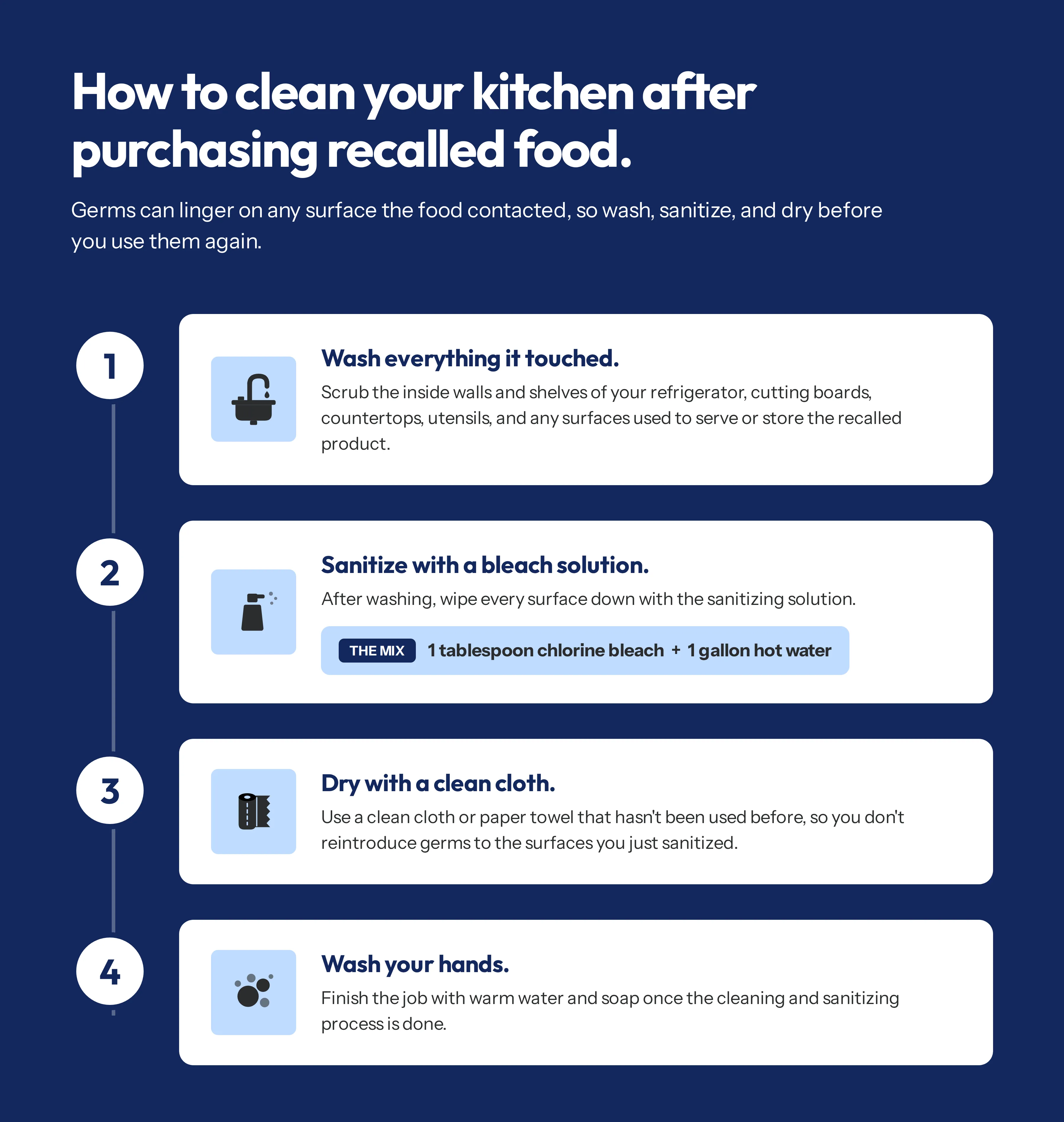
Typically, you can return the recalled product to the store you bought it from for a full refund. To prevent the spread of illness, don't share it with anyone, including pets, and clean any surfaces it could have touched. (2) Here’s a quick guide to help you make sure you don’t spread any potential germs throughout your home or to others.
What should you do if you feel sick?
If you think food or another FDA-regulated product made you sick, whether or not it’s been officially recalled, contact your healthcare provider to receive care. If you have Rightway care navigation, a health guide can help you assess your symptoms and find a doctor or urgent care center near you.
The FDA and USDA also have reporting tools where you can report a potential contamination issue in a product. This helps signal that a product, facility, or company should be investigated as soon as possible to keep people safe. (4) (5)
If the contaminated food is a meat, poultry, or egg product, you can call the USDA meat and poultry hotline or submit a report on the USDA website. For all other products, use the FDA’s Safety Reporting Portal.
To make a report, just share why you think a product is contaminated and details about the product and where you purchased it. Make sure to take a picture of the product and include the lot number and barcode so the agencies know exactly which products to investigate.
What can you do to keep your food safe?
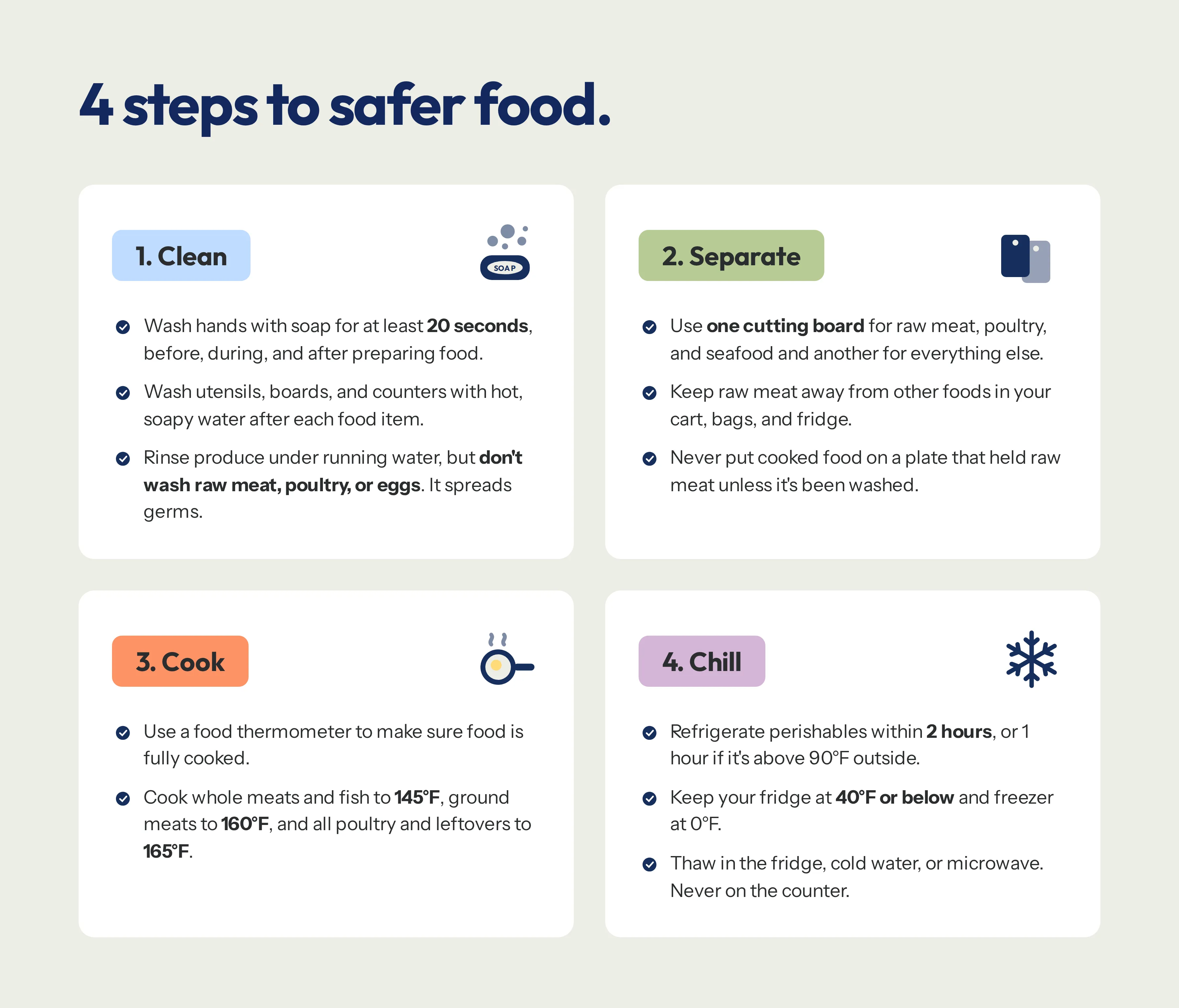
Recalls make headlines, but most foodborne illness starts in your own kitchen. Practicing basic food safety is key to keeping you and your family healthy. (8) Here are four simple food safety tips to remember:
Rightway is here for your health. Reach out to us whenever you have questions about your health or need help finding the right care.
Download the Rightway app to connect with a healthcare expert today.
Get startedSources:
- Statista. (2026). 320 food recalls issued in the US in 2025.
- US Food and Drug Administration. (2024). Food recalls: What you need to know.
- The National Agricultural Law Center. (2026). Food foundations: What are food recalls and how do they work?
- US Food and Drug Administration. (2026). The Enforcement Report.
- USDA Food Safety and Inspection Service. (2026). Recalls and public health alerts.
- Health and Human Services. (2026). The Safety Reporting Portal.
- USDA Food Safety and Inspection Service. (2026). Report a problem with food.
- FoodSafety.gov. (2023). 4 steps to food safety.
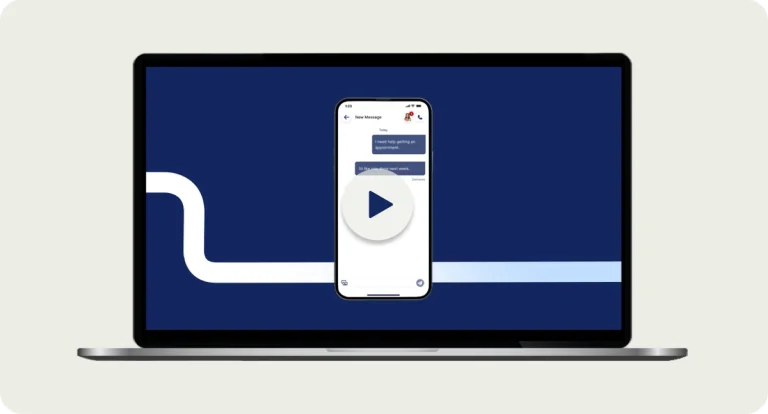
The member experience with Rightway care navigation.
Read more The member experience with Rightway care navigation.
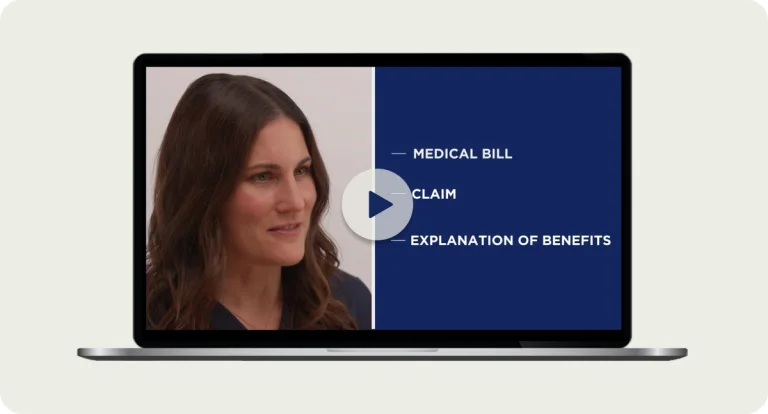
Disputing a medical bill with Rightway care navigation.
Read more Disputing a medical bill with Rightway care navigation.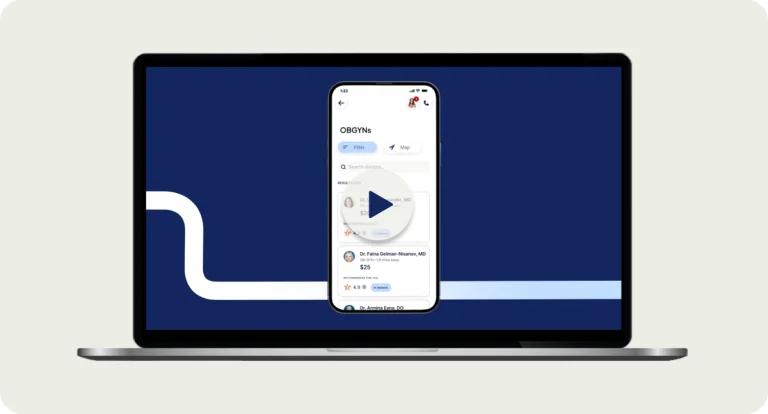
Finding a doctor with Rightway care navigation.
Read more Finding a doctor with Rightway care navigation.
Health guide support with Rightway care navigation.
Read more Health guide support with Rightway care navigation.
Accessing specialty medications with Rightway PBM.
Read more Accessing specialty medications with Rightway PBM.

Unlock expert health tips
Subscribe to our member newsletter.