The hidden costs of PBM spread pricing for employers.


In the past decade, pharmacy benefit managers (PBMs) have driven up prescription drug prices and padded their profits with hidden fees, leaving employers and their teams to bear the brunt of inflated costs. They have long concealed their dubious practices behind complex and confusing policies and contract terms. However, employers are beginning to wake up to the fact that their PBMs, more often than not, are failing to act in their best interests.
Initially, pharmacy benefit managers were designed to lower prescription drug costs by leveraging their power to negotiate discounts and pass the savings on to employers and patients. However, they have failed to deliver on this objective by resorting to the self-benefiting, anti-competitive practice of PBM spread pricing. As their opaque tactics contribute to higher Rx costs, you need to understand their games so you can ensure you are getting the most value.
Key highlights:
- PBM spread pricing occurs when pharmacy benefit managers charge employers more for prescription drugs than they reimburse pharmacies, retaining the difference as profit.
- Hidden pricing structures and limited financial transparency can increase pharmacy spend for employers and out-of-pocket costs for employees.
- Transparent PBM models help employers improve financial oversight through pass-through pricing, aligned incentives and clearer reporting.
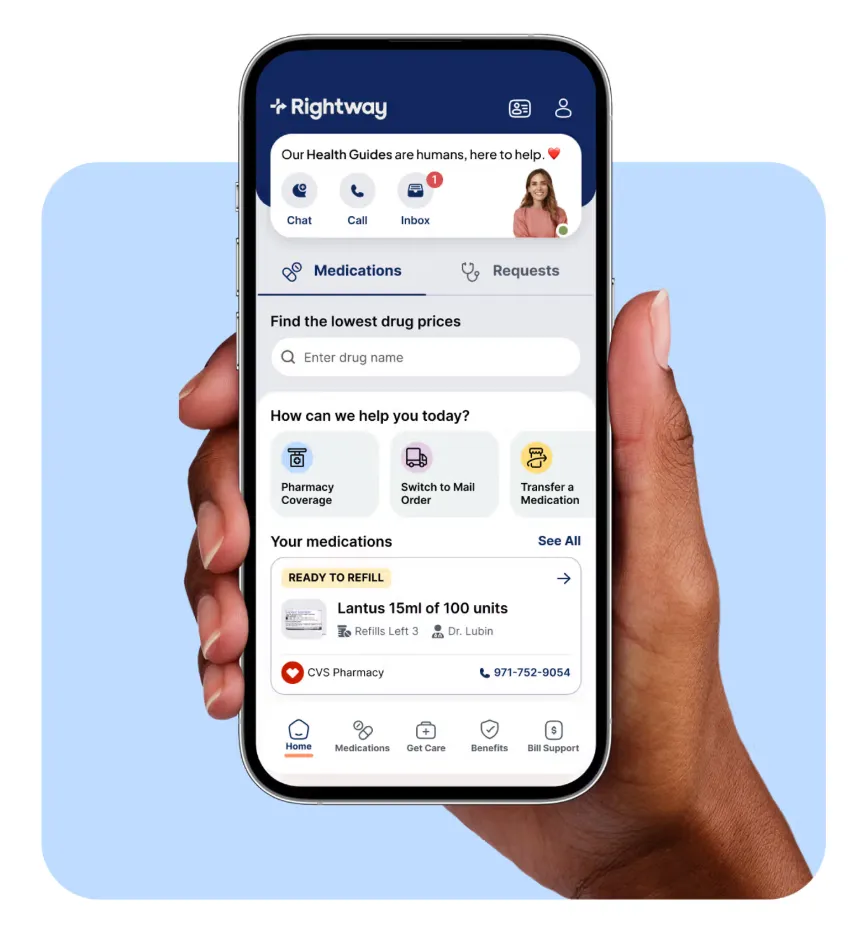
- Rightway delivers transparent pharmacy benefits with aligned pricing, clinical guidance and no hidden incentives or spread pricing.
What is spread pricing in pharmacy?
Spread pricing is the practice of a PBM charging plan sponsors more for a prescription drug than they pay the pharmacy. Essentially, the PBMs retain the difference (the spread) between what they charge and what they pay out as profit.
For example, a PBM may have contracts with pharmacies to purchase Drug A at $10, but it charges the plan sponsor $50 for the same drug—a $40 spread. Over the course of a year, for an employee’s prescription for Drug A, the PBM pockets an additional $480 that neither the employer or the employee sees.
How does spread pricing work?
PBM spread pricing often happens behind the scenes, making it difficult for employers to identify where pharmacy dollars are actually going. While contracts and reporting may group costs, the process typically follows the same pattern for each prescription claim.
Here’s how it works:
- Members fill prescriptions at retail or specialty pharmacies.
- Pharmacies submit claims to PBMs for reimbursement.
- PBMs pay the pharmacies a negotiated price for the medication.
- Employers or health plans are charged a higher amount for the same prescription drug.
- Pharmacy benefit managers retain the difference rather than pass the savings back to plan sponsors.
What is the real financial impact of spread pricing on employees' healthcare expenses?
Legacy PBMs have operated without scrutiny for decades, enabling them to build and maintain control over the market.
Historically, limited transparency has made spread pricing harder for employers to detect, as they cannot always see how their pharmacy benefit dollars are allocated. This discrepancy leads to elevated pharmacy spend for plan sponsors and growing fiduciary risk for benefits leaders.
Consequently, employees face increased out-of-pocket costs, manifesting in:
- Higher premiums
- Larger copayments
- Increased deductibles
The financial incentive for PBMs to prioritize high-cost or specialty drugs also contributes to the unwarranted overutilization of expensive medications. They push high-dollar drugs even when more cost-effective generic options may be available, further driving up spend for both employers and their teams.
How transparent PBMs are eliminating opaque pricing practices.
Traditional spread-pricing PBM models often rely on hidden revenue streams that increase pharmacy spending while limiting employers' visibility into where healthcare dollars are going. These models may retain spread-pricing revenue, keep a portion of manufacturer rebates, or generate profits through supply-chain ownership and pharmacy markups.
According to the Federal Trade Commission (FTC), the big three PBMs now control nearly 80% of all US prescriptions—and their affiliated pharmacies account for nearly 70% of all specialty drug revenue. For employers, that level of market concentration makes it easier for spread pricing to go undetected and harder to hold PBMs accountable.
Transparent PBMs eliminating opaque pricing practices align PBM drug pricing models and incentives with plan sponsors.
| Comparison point. | Traditional PBMs. | Transparent PBMs. |
|---|---|---|
| Pricing model. | May retain spread pricing and hidden revenue streams. | Use pass-through pricing with clear administrative fees. |
| PBM rebates and discounts. | May retain a portion of manufacturer rebates. | Pass through 100% of rebates and discounts. |
| Financial incentives. | Profit can increase as drug spend rises. | Incentives are aligned around lowering total spend. |
| Pricing visibility. | Limited transparency into claims costs and reimbursements. | Provide clearer reporting and financial oversight. |
With a transparent pass-through pricing model, employers pay the exact amount reimbursed to the pharmacy, plus a clearly defined administrative fee. This approach improves financial visibility, limits pricing manipulation and creates alignment between PBMs and plan sponsors.
How to avoid spread pricing.
Avoiding spread pricing PBMs starts with following best practices that improve transparency, strengthen financial oversight and support fiduciary alignment between incentives and employers. Benefits leaders should consider the following four strategies to reduce hidden costs and improve visibility into pharmacy spend.
1. Opt for pass-through pricing models.
Partner with PBMs that use transparent or pass-through pricing structures. These models return 100% of manufacturer rebates and discounts to the employer or plan sponsor, and instead charge a flat administrative fee, eliminating profit from price markups.
See how pass-through PBM models eliminate hidden pricing.
2. Ensure contractual clarity.
Carefully review PBM contracts and include clauses that explicitly prohibit spread pricing. Many legacy agreements rely on confusing PBM contract terms to hide spread and rebate retention, so ensure full disclosure of all revenue sources, including rebates, fees, pricing differences and audit rights to enforce compliance.
3. Monitor claims and financial reporting.
Establish a process for regularly reviewing claims data. Compare pharmacy reimbursement rates to PBM charges to uncover pricing gaps, identify discrepancies and support smarter decision-making.
4. Explore transparent PBM alternatives.
Consider using carve-out PBMs that focus on transparent pricing and align their goals with yours. These PBM partners often allow greater customization and provide clearer insights into drug spending.
Get transparent pharmacy benefits with Rightway.
Employers looking to reduce hidden pharmacy costs should partner with a PBM that prioritizes transparency, aligned incentives and clear financial accountability. A transparent pricing model helps employers better understand where pharmacy dollars are going while supporting more informed decisions around pharmacy benefits and long-term healthcare spend.
Rightway operates with complete transparency and no hidden costs. Our SureSpend pricing model passes back all savings so employers can better manage pharmacy spend while giving members streamlined access to high-value medications and clinical support at the lowest cost.
Schedule a demo today and see how Rightway can reduce your healthcare costs by eliminating PBM spread pricing.